What Is the Difference Between AEO and GEO, and Which One Saves You?
\nWhen a new acronym enters the digital marketing world, one of two things usually happens. It either genuinely represents a new concept or it is an old concept in new marketing clothes.
\n
\nWhen it comes to AEO and GEO, the situation is more complicated because these two concepts genuinely refer to different things, but their areas of overlap are so broad that a large part of the industry uses them interchangeably.
\n
\nIn this article, we will clarify the difference between the two, but more importantly, we will tie down which one takes priority for you and when, based on concrete criteria.
\n
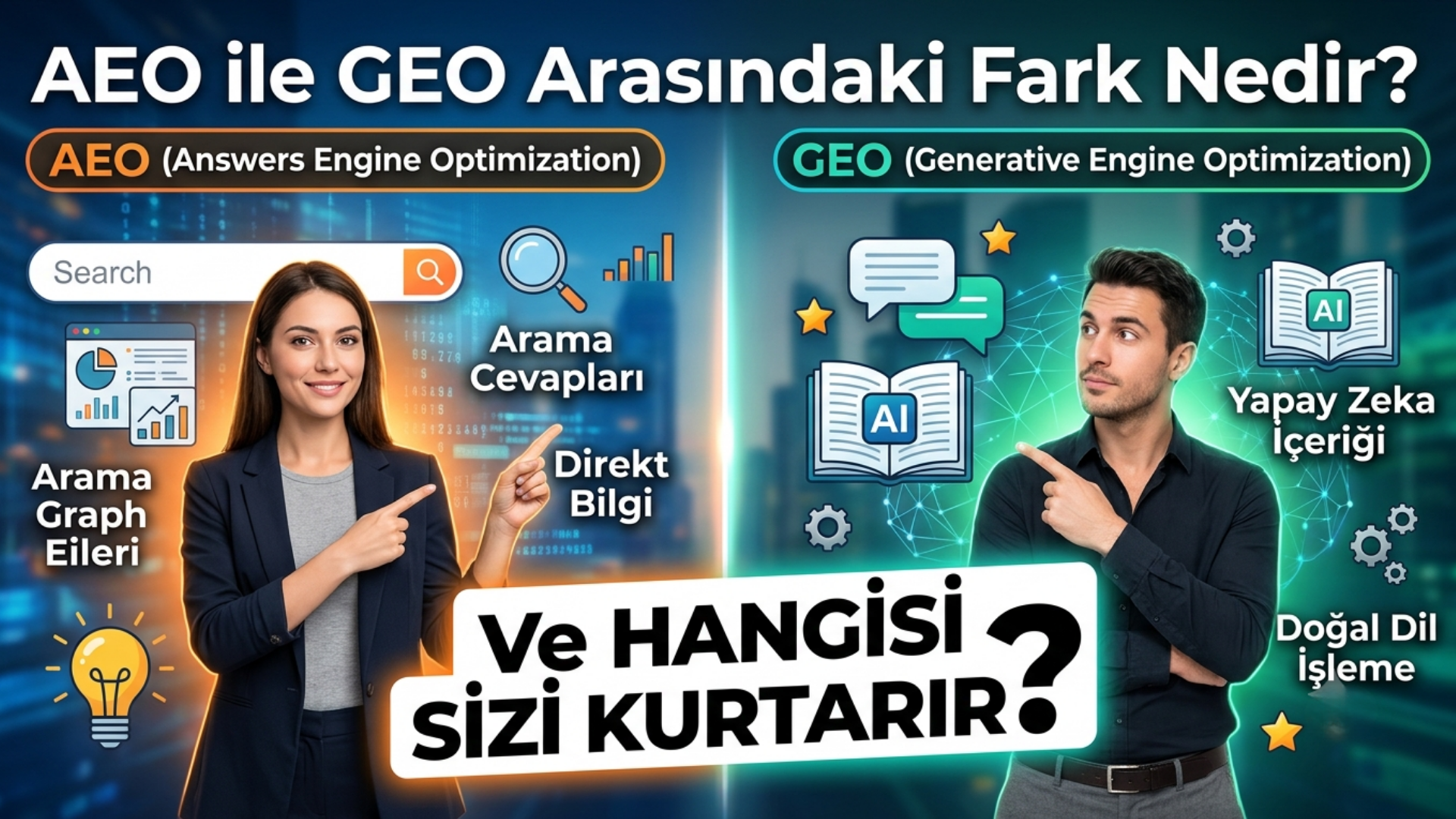
\nAEO, Answer Engine Optimization, historically emerged in the voice search era. It defined how content should be structured to become the source of the one-sentence answer given when a question is asked to Alexa, Google Assistant, or Siri.
\n
\nFeatured snippets, People Also Ask boxes, and voice search answers are AEO’s original target surfaces.
\n
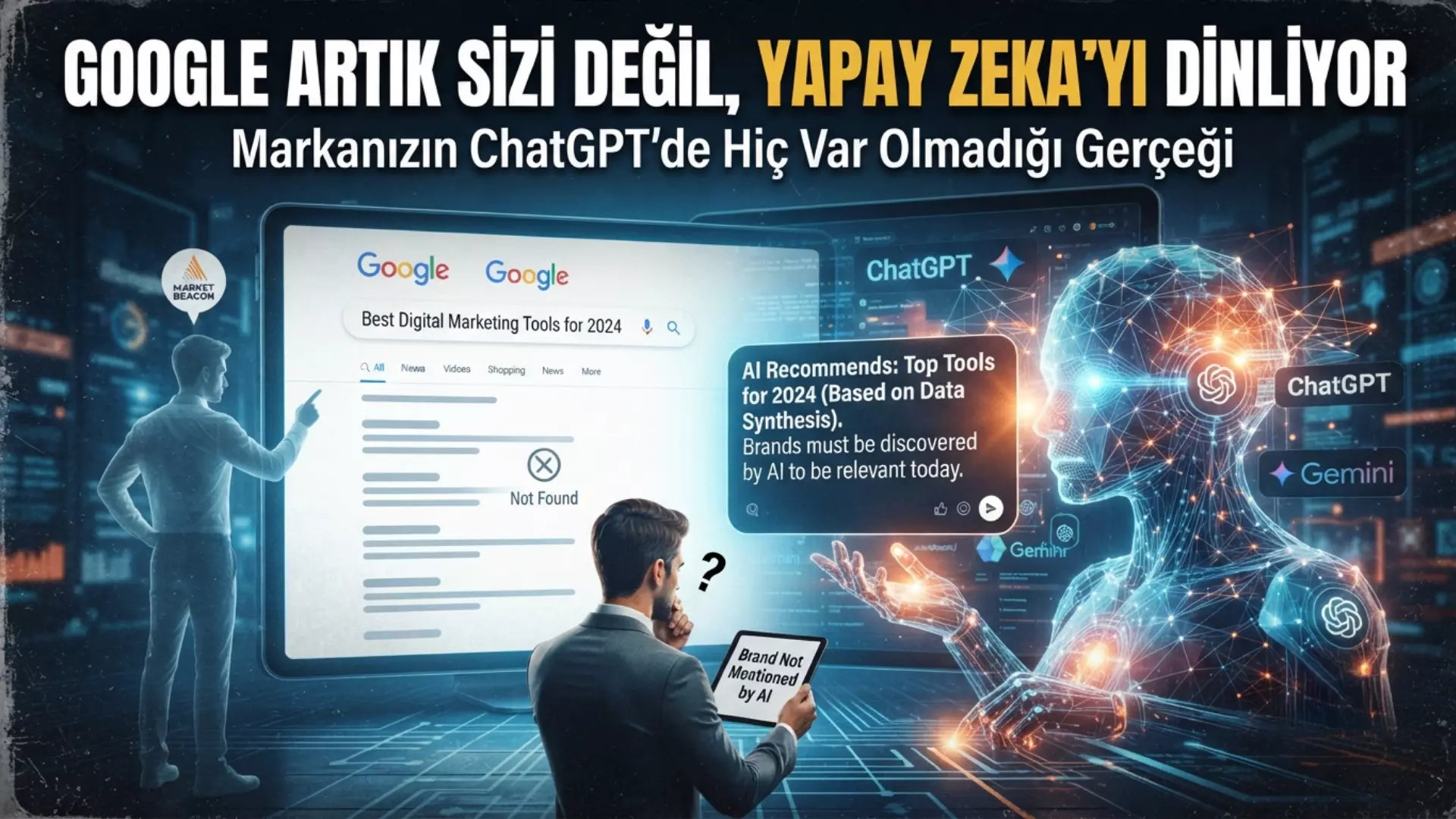
\nIn 2026, AEO’s scope has expanded. It now also covers Google AI Overviews, AI answer boxes, and ChatGPT’s direct answer mode. AEO’s core question is this: When someone asks something, is the AI taking that answer from my content?
\n
\nGEO, on the other hand, seeks an answer to a different question. When the AI generates its own answer, is it using my brand, my data, or my perspective as a source? This question points to a broader scope. It is concerned with which sources large language models such as ChatGPT, Perplexity, Gemini, and Claude find trustworthy when synthesizing answers, and why they choose them.
\n
\nIn practice, this difference becomes clear as follows. If you want to appear in Google AI Overviews, your priority is AEO. If you want your brand to be included in that answer when someone asks ChatGPT “which are the best companies in this sector” or “who stands out as a reliable source on X topic,” your priority is GEO.
So which one is more valuable?
\nFrom a traffic volume perspective, AEO creates a larger impact in the short term because Google is still the largest search platform and AI Overviews reach billions of users. But from a conversion quality perspective, GEO brings a visitor profile of much higher value.
\n
\nThe user who comes to the site from Perplexity or ChatGPT is there at the end of a much more advanced research process. That click is not accidental; it is a conscious choice.
\n
\nSemrush data shows that AI search visitors are 4.4 times more valuable than traditional organic visitors. According to Seer Interactive measurements, visitors coming from the AI search channel at Ahrefs made up 0.5 percent of total visitors while accounting for 12.1 percent of total member signups. This means a 24-to-1 conversion advantage.
\n
\nThe technical requirements of AEO and GEO largely overlap. Clear question-and-answer structure, schema markup, short and direct paragraphs, sourced claims, and bot access are critical for both AEO and GEO. This overlap is actually good news because, instead of creating two separate content strategies, it is possible to target both surfaces with a single integrated program.
\n
\nThe difference emerges most in authority building. For AEO, a strong SEO foundation and content structure cover most of it. For GEO, beyond these, it is necessary to build brand authority across the web, be mentioned in independent sources, and be represented consistently within AI training data. This distinction makes AEO more technical and GEO more strategic.
\n
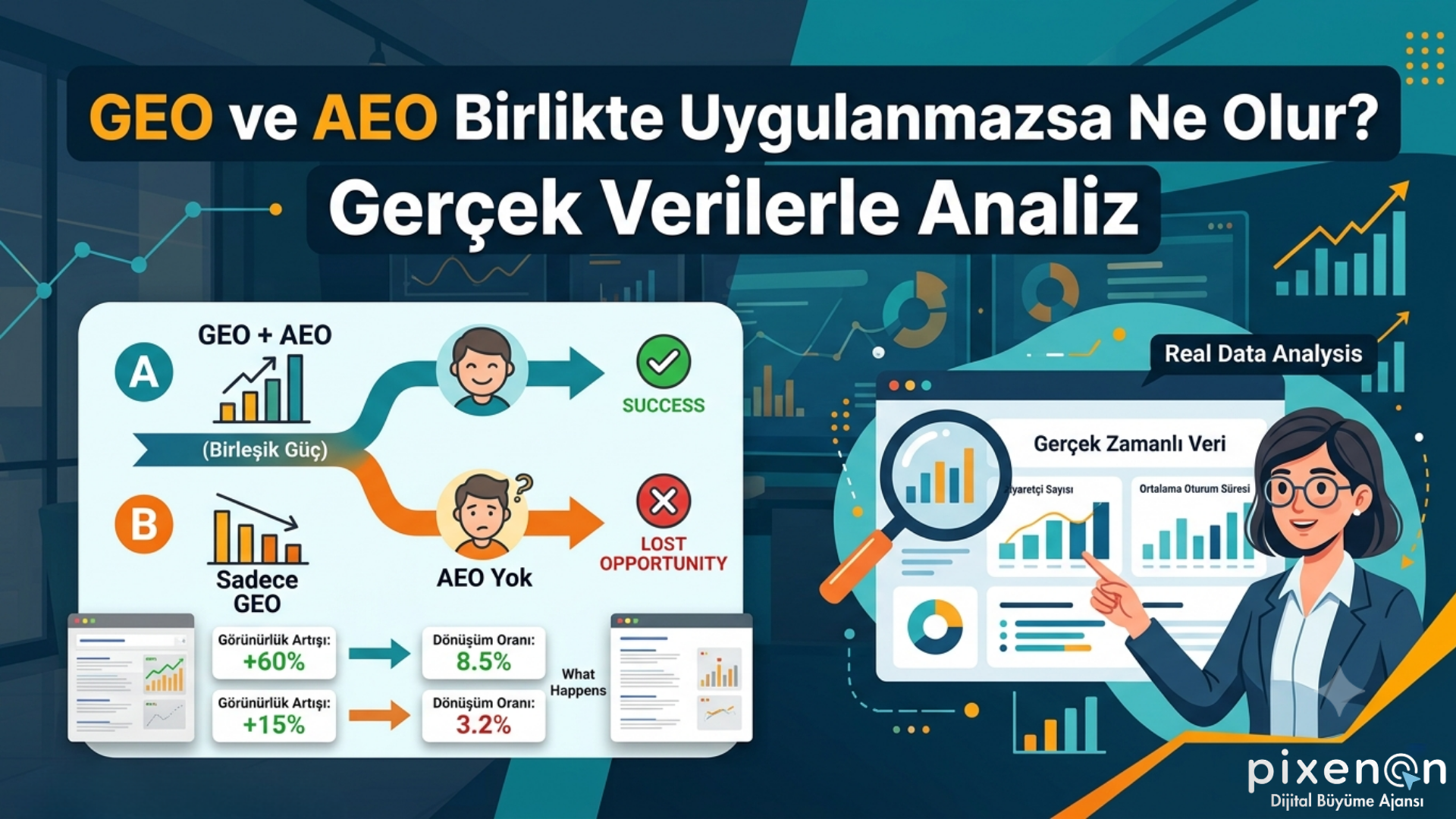
\nThe most honest answer to the question of which one saves you is this: brands that implement both together are in the strongest position. But if you have resource constraints and need to prioritize, if your content volume is high and you are answering a large number of questions, AEO creates faster measurable impact.
\n
\nIf you are targeting brand authority and long-term market share, GEO is a more strategic investment. If your competitor is active in both areas and you are doing only one, it means you are systematically at a disadvantage in the area you leave open.
\n
\nBrightEdge research revealed an interesting finding. The organic click-through rate of pages that receive an AI Overview citation increases by 35 percent. In other words, the visibility gained through AEO also increases SEO traffic.
\n
\nGEO and AEO do not just complement each other; they also strengthen traditional SEO performance. This compound effect is the strongest argument for addressing the three disciplines together.